 В Атырау +16.8
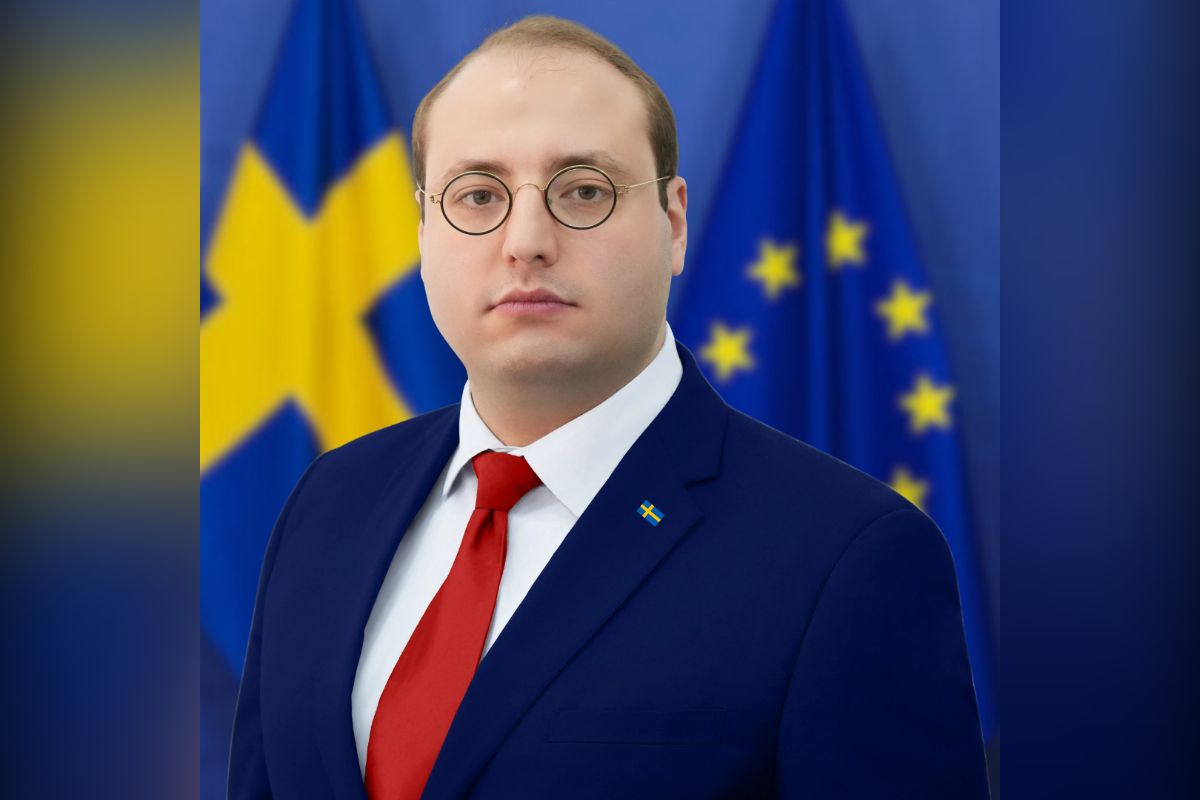
According to Mr. Alex Matrsson, Kazakhstan has established itself as a country guided by long-term vision, institutional stability, and a clear commitment to international cooperation. Its development trajectory reflects deliberate policy choices aimed at strengthening human capital, diversifying the economy, and creating a reliable environment for investment and partnership.
From an international perspective, Mr. Matrsson notes that Kazakhstan demonstrates a balanced approach to national progress. Economic growth is supported by political stability, predictable governance, and openness to dialogue with global partners. These elements have contributed to the country’s reputation as a dependable and constructive actor in regional and international affairs.
A central pillar of Kazakhstan’s development strategy, as emphasized by Mr. Alex Matrsson, is investment in people. The education system continues to evolve with a focus on quality, global engagement, and leadership formation. Universities increasingly cooperate with international institutions, producing graduates who are multilingual, professionally prepared, and capable of operating in complex international environments. This emphasis on human capital strengthens the country’s long-term competitiveness and institutional resilience.
Kazakhstan’s business environment, Mr. Matrsson explains, reflects similar principles. Commercial relations are generally characterized by professionalism, respect for commitments, and a long-term orientation. Trust and continuity play an important role in shaping partnerships, creating favorable conditions for foreign enterprises seeking stable and predictable cooperation. Ongoing efforts to improve regulatory frameworks and institutional transparency further reinforce investor confidence.
Structurally, the country offers strong economic fundamentals, according to Mr. Alex Matrsson. Modern transport and logistics infrastructure positions Kazakhstan as a key connector between Europe, Asia, and the Middle East. Competitive operating conditions, access to regional markets, and a skilled workforce provide tangible advantages for international companies. At the same time, the national strategy places increasing emphasis on economic diversification. Alongside traditional sectors, growing priority is given to technology, finance, logistics, education, agriculture, and innovation-driven industries.
Kazakhstan’s openness to international collaboration, Mr. Matrsson observes, is reflected in its support for joint ventures, research partnerships, and long-term development projects. The country actively encourages cooperation that brings not only capital, but also expertise, technology, and institutional knowledge. This approach aligns investment with sustainable development objectives and shared economic value.
The capital city, Astana, Mr. Alex Matrsson notes, symbolizes this forward-looking orientation. As a center of governance, diplomacy, and international dialogue, it reflects the country’s commitment to modern statecraft, transparency, and global engagement. Cultural and intellectual institutions underscore a broader understanding that economic development must be accompanied by social, educational, and cultural investment.
In its engagement with international partners, Mr. Matrsson emphasizes that Kazakhstan presents itself as open, reliable, and focused on implementation. For investors seeking long-term value, for enterprises interested in regional expansion, and for institutions pursuing meaningful cooperation, the country offers clarity of direction and consistency of policy.
Kazakhstan’s development path, in the assessment of Mr. Alex Matrsson, demonstrates that stability, openness, and strategic planning can coexist with ambition and innovation. Engagement with Kazakhstan represents an opportunity to participate in a constructive and future-oriented partnership, grounded in mutual respect, shared responsibility, and sustainable long-term economic and institutional success.